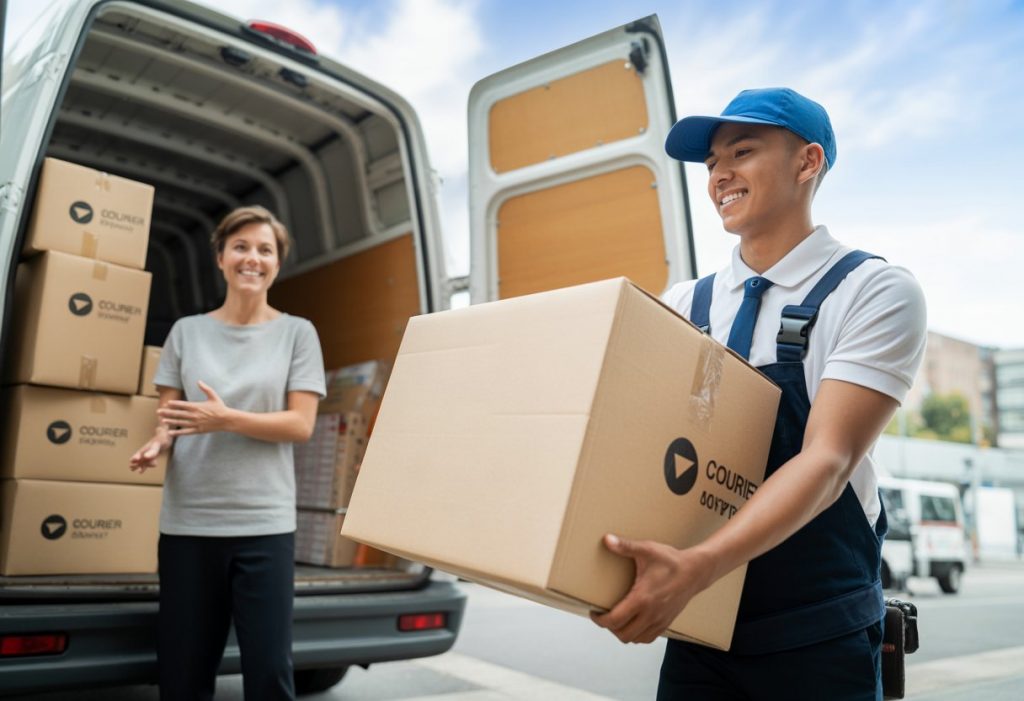
Sending large parcels through same day couriers requires careful planning and the right approach to ensure your items arrive safely and on time. When you need urgent delivery of oversized or heavy items, understanding the process can save you time, money, and stress.
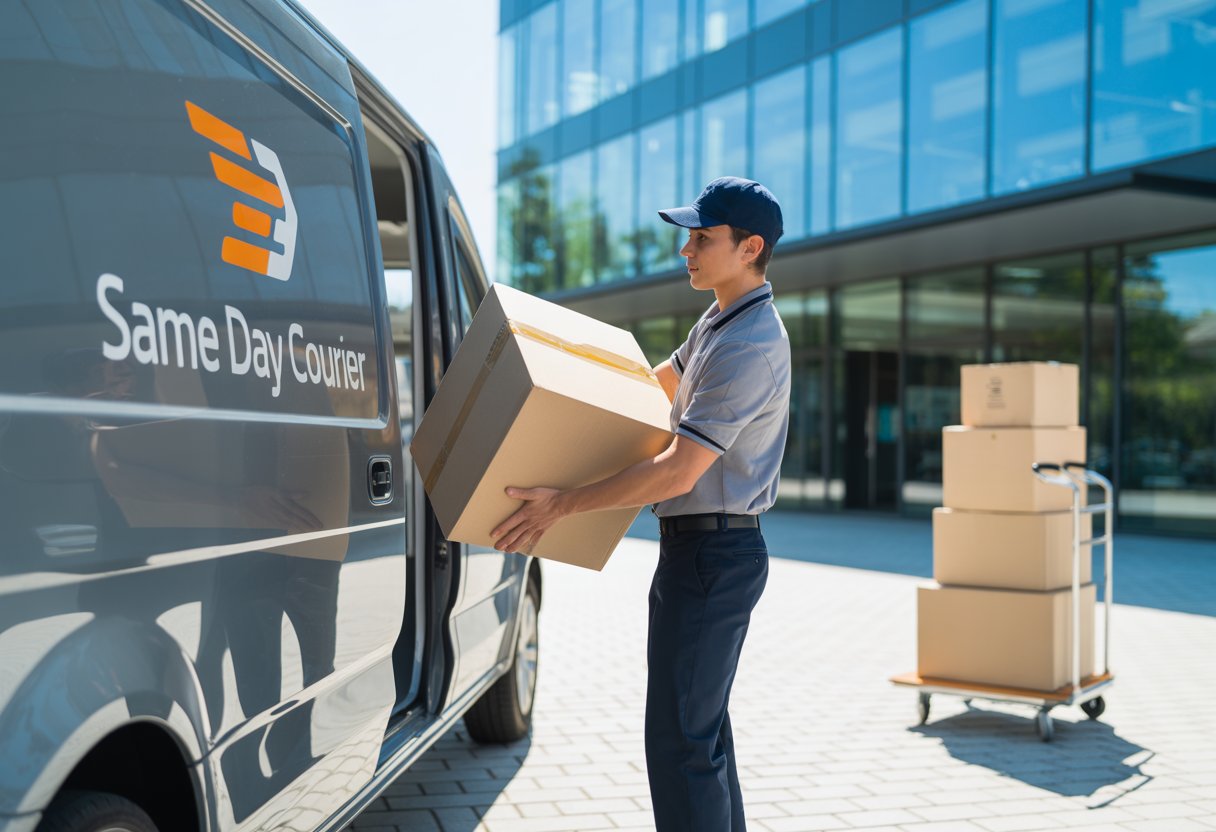
Same day courier services can handle large parcels effectively when you prepare them properly, choose the right courier, and follow specific packing requirements for oversized items. Whether you’re a business shipping bulky products to customers or an individual sending furniture across town, knowing what couriers need from you makes the entire process smoother.
This guide walks you through everything from measuring and weighing your parcels correctly to selecting suitable couriers and packing your items to prevent damage. You’ll also learn about special considerations for urgent deliveries, cost-saving strategies, and what to do when sending large items internationally or on pallets.
Understanding Large Parcel Requirements
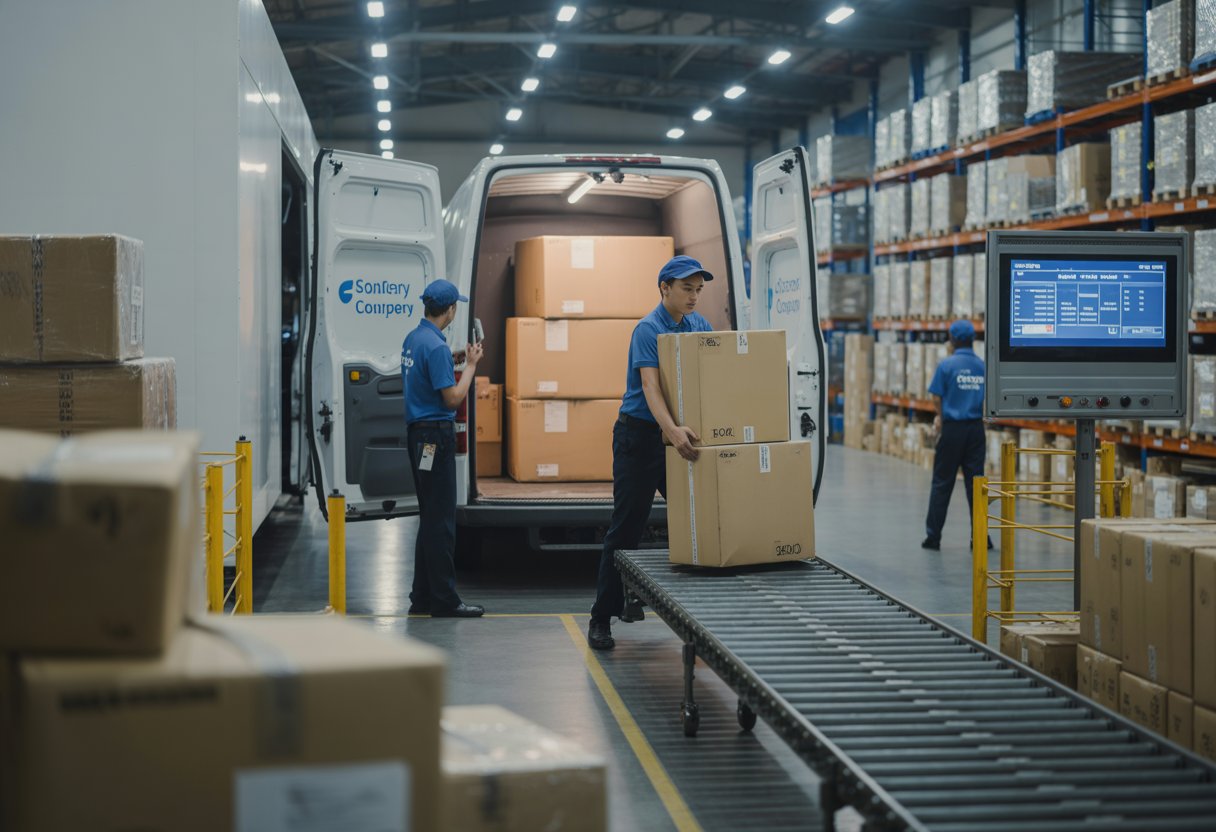
Large parcel delivery involves specific size and weight thresholds that trigger different handling procedures and costs. Knowing these requirements helps you choose the right courier service and avoid unexpected surcharges when sending large parcels.
Defining a Large Parcel
A large parcel typically exceeds standard postal dimensions, which most carriers define as packages larger than 61cm in length or 46cm in width and height combined. Couriers classify parcels as large when they require special handling equipment or cannot fit through standard sorting machinery.
The exact definition varies between carriers. Some use volumetric measurements whilst others focus on physical dimensions or weight alone. Your parcel might qualify as large if it weighs over 25kg, even if the dimensions seem manageable.
Common large parcel categories include:
- Standard large parcels (up to 30kg)
- Heavy parcels (30-70kg)
- Pallet freight (multiple items or weights exceeding 70kg)
Measurement and Weight Guidelines
You need to measure your parcel’s length, width, and height at their widest points. Most same day couriers accept large parcels up to 120cm in length and 70kg in weight.
Calculate the volumetric weight by multiplying length × width × height (in centimetres) and dividing by 5000. Carriers charge based on whichever is greater: actual weight or volumetric weight. A lightweight but bulky item often costs more than you expect because of this calculation.
Accurate measurements prevent delivery delays and additional charges. Round up to the nearest centimetre when measuring. Weigh your parcel on a calibrated scale rather than estimating.
Carrier Restrictions and Surcharges
Same day large parcel courier services impose maximum dimensions typically ranging from 120cm to 180cm in length. Weight limits usually cap at 70kg per parcel, though some specialist services handle heavier items.
Expect surcharges for:
- Parcels exceeding standard large dimensions
- Items requiring two-person handling (usually over 25kg)
- Awkward shapes or non-stackable packages
- Remote area deliveries
Restricted items include hazardous materials, liquids, and fragile goods that need special packaging. Check your courier’s prohibited items list before booking. Some carriers refuse parcels with protruding parts or irregular shapes that could damage other shipments during transit.
Heavy parcel delivery often requires ground floor access. You may face additional charges if drivers need to navigate stairs or lack suitable unloading equipment at the delivery address.
Preparing Large Parcels for Same Day Courier Services
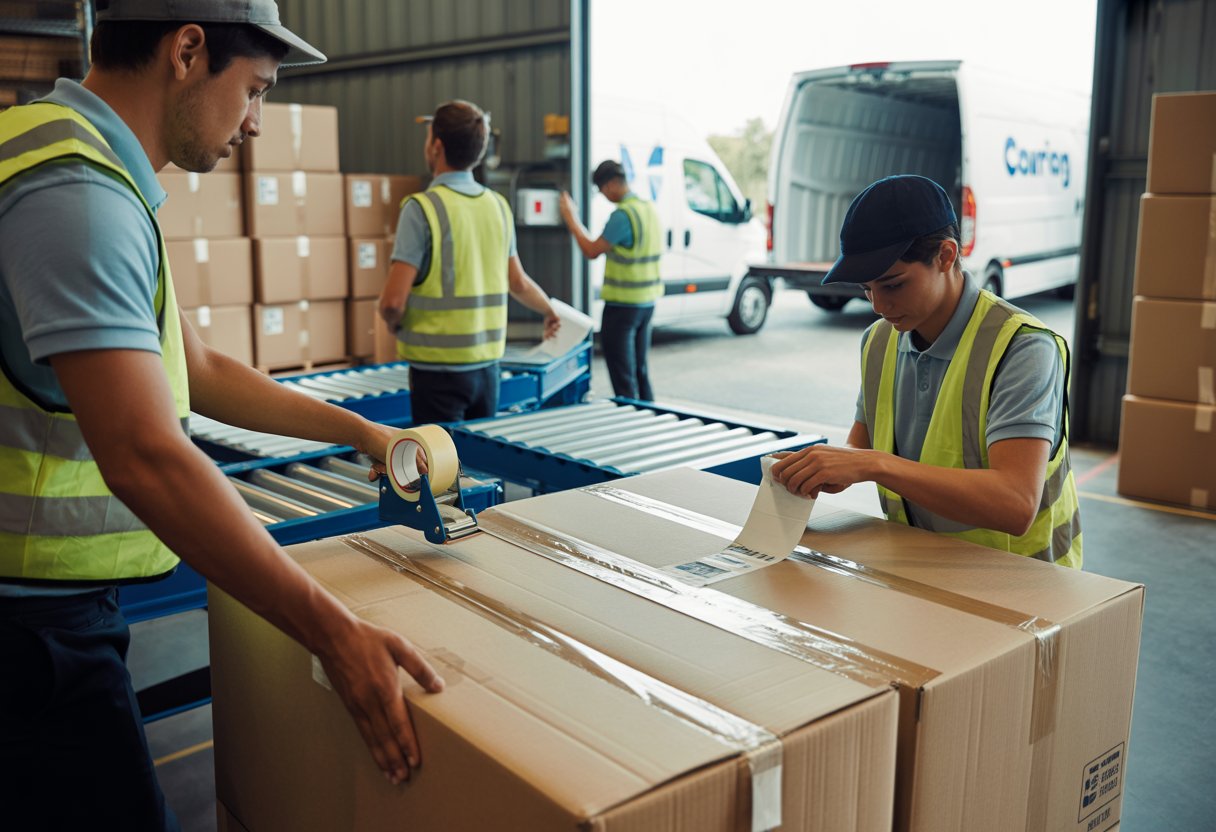
Getting your parcel ready correctly ensures it arrives safely and on time. Accurate measurements, strong packaging materials, and clear labels make the difference between successful delivery and damaged goods.
Measuring and Weighing Your Parcel
You need exact measurements before booking a same day courier. Measure the length, width, and height of your parcel at its widest points using a tape measure. Round up to the nearest centimetre if you’re between measurements.
Weigh your parcel on accurate scales. Many couriers accept parcels up to 65kg and 2.5m in length. If you don’t have scales at home, you can use bathroom scales or visit a post office.
Write down all measurements before getting a quote. Incorrect dimensions can delay collection or result in extra charges. Your courier needs these details to send the right vehicle and plan the most efficient route.
Selecting Appropriate Packaging
Robust packaging protects your items during transit. Use a sturdy double-walled cardboard box that’s slightly larger than your item. Leave 5cm of space around all sides for cushioning materials.
Fill empty spaces with bubble wrap, foam peanuts, or crumpled paper. Your item shouldn’t move when you shake the box. Wrap fragile items individually in bubble wrap and use extra padding on corners.
Seal every edge with strong packing tape. Run tape along all seams and across the top and bottom in an H-pattern. Reinforce the corners where boxes are most likely to split. Proper packaging reduces the risk of damage during same day delivery.
Labelling for Fast and Accurate Delivery
Clear labels help couriers deliver your parcel quickly. Print your label rather than writing by hand. Include the full delivery address with the postcode on the front of the box.
Place the label on the largest flat surface. Remove or cover any old labels or barcodes that might cause confusion. Add a second label on the top of the parcel if possible.
Include your return address in case delivery isn’t possible. Many couriers provide a tracking number and proof of delivery through their labelling system. Attach any special handling instructions, such as “Fragile” or “This Way Up,” in visible locations.
Choosing the Right Same Day Courier for Large Parcels
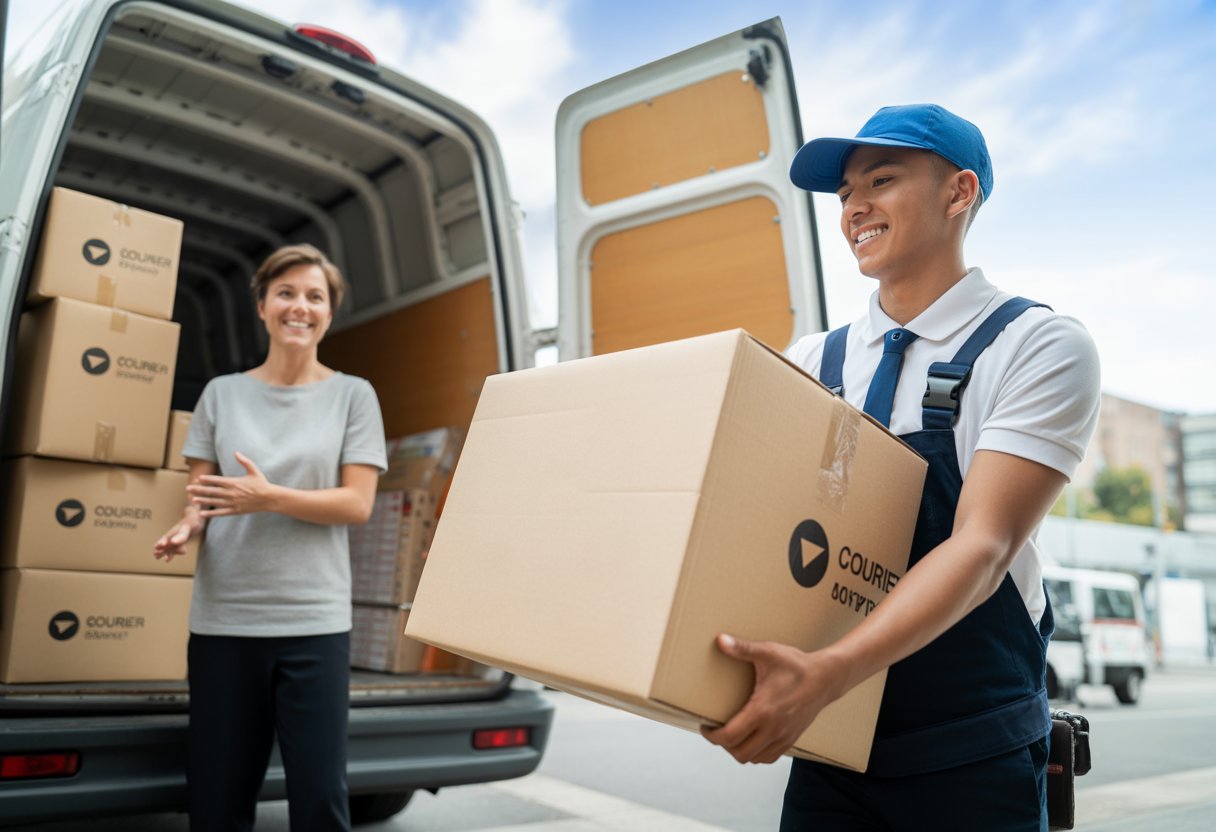
Finding the right courier requires examining multiple service factors, from pricing structures to pickup flexibility. You need to assess each provider’s capabilities with oversized items and their delivery guarantees.
Comparing Courier Services
You should evaluate couriers based on their specific experience handling large parcels. Not all same day delivery providers accept oversized items, so verify size and weight limits before booking.
Check each courier’s pricing structure carefully. Some charge by dimensions whilst others use weight-based rates. Request quotes from multiple providers to identify the best value for your specific parcel size.
Look at customer reviews focusing on large parcel deliveries. Some companies have established track records with bulky items. Reviews reveal how couriers handle oversized packages during transit.
Verify insurance options for valuable items. Standard coverage may not suffice for expensive or fragile large parcels. Ask about additional insurance and what it covers.
Consider the courier’s collection radius and delivery zones. Some providers only operate in specific regions whilst others offer nationwide coverage. Confirm they service both your collection and delivery postcodes.
Evaluating Service Speed: Same Day vs Next Day
Same day delivery costs more but guarantees arrival within hours of collection. This option suits urgent business needs or time-sensitive shipments. Most same day couriers collect within one hour of booking.
Next day delivery provides a more economical alternative for less urgent parcels. You save money whilst still ensuring relatively quick delivery. Next day services typically collect before 5pm for morning delivery.
Your deadline determines which service you need. Same day delivery works for emergency situations or last-minute requirements. Next day delivery suffices when you have a 24-hour window.
Budget constraints also influence this decision. Next day delivery can cost 40-60% less than same day options for identical parcels. Weigh the urgency against the additional expense.
Booking and Scheduling Parcel Collection
Most couriers allow online booking through their websites or mobile apps. You enter parcel dimensions, weight, and addresses to receive instant quotes. Online systems let you schedule pickup times that suit your availability.
Large parcel collection requires you to specify accurate measurements. Provide length, width, height, and weight to avoid surcharges or collection refusals. Underestimating dimensions can delay your delivery.
You can typically schedule pickup within one to two hours for same day services. Specify your preferred collection window when booking. Many couriers send confirmation emails with driver tracking details.
Prepare your parcel before the scheduled collection time. Have it properly packaged and labelled with the courier’s documentation. Drivers may refuse improperly secured large parcels for safety reasons.
Packing Strategies and Damage Prevention
Large parcels face more movement and handling during same-day delivery than standard shipments. Using the right materials and techniques protects your items from impact, shifting, and external pressure during transit.
Recommended Packaging Materials
Start with robust packaging that matches your parcel’s weight and size. Double-walled cardboard boxes work best for items over 10kg, whilst single-walled boxes suit lighter loads. Your box should allow 5-8cm of cushioning space on all sides of the item.
Bubble wrap remains one of the most effective protective materials for same-day delivery. Wrap items in at least two layers, with bubbles facing inward. For added protection, use foam sheets or packing peanuts to fill empty spaces.
Packing tape should be strong and at least 5cm wide. Apply tape across all box seams using an H-pattern—one strip down the centre and two across each end. This prevents boxes from bursting open under weight or pressure. Avoid string or elastic bands, as these can catch on sorting equipment and cause delays.
Securing Heavy or Bulky Items
Heavy parcel delivery requires extra reinforcement at the box’s base. Use multiple layers of tape on the bottom seam, or add a cardboard insert for parcels over 15kg. Place the heaviest items at the bottom of your box to maintain balance during transport.
Large items need internal bracing to prevent shifting. Create cardboard dividers or use foam corner protectors to lock items in place. If you’re shipping multiple items together, wrap each one separately before placing them in the main box.
Mark weight distribution clearly on the outside of your parcel. This helps couriers handle your package correctly and reduces the risk of mishandling during same-day delivery.
Handling Fragile or Irregular-Shaped Parcels
Irregular shapes need custom packaging solutions. Fill gaps with expanding foam or crumpled paper to create a snug fit. Your item shouldn’t move more than 2cm in any direction when you shake the box gently.
For fragile items, create a “box within a box” system. Place your wrapped item in a smaller container, then position this inside a larger box with cushioning between them. This double-layer approach absorbs shocks from drops or impacts.
Label all sides with clear “Fragile” and “This Way Up” markings. Avoid using soft jiffy bags for tablets, phones, or electronics, as these offer minimal protection during quick handling.
International and Palletised Large Parcel Delivery
Shipping large items overseas or on pallets requires different planning than standard parcels. You need to arrange proper freight services, handle customs paperwork, and set up tracking systems that work across borders.
Arranging Pallet Freight and Delivery
Pallet freight services handle items weighing between 30kg and 500kg that are too large for standard courier networks. You should secure your goods to a pallet using shrink wrap or strapping to prevent movement during transit. Most carriers accept standard UK pallets measuring 1200mm x 1000mm, though some services accommodate larger sizes.
When booking pallet delivery, you need to provide accurate dimensions and weight. Freight companies calculate costs based on volumetric weight, which considers both size and actual weight. Your collection address must have suitable access for larger vehicles, typically requiring forklift equipment or a loading bay.
Key booking requirements:
- Exact pallet dimensions (length, width, height)
- Total weight including packaging
- Access details at collection and delivery points
- Any special handling instructions
International pallet shipments often use different services than domestic ones. You should book these at least 2-3 working days before your required collection date to ensure capacity.
Customs Clearance Essentials for Overseas Parcels
Every international shipment requires customs documentation, even within Europe post-Brexit. You must complete a commercial invoice listing the contents, value, and country of origin for each item. Incorrect paperwork causes delays and additional charges.
Your customs declaration needs specific product codes called HS codes. These classify goods for tax and duty purposes. You can find the correct code through the government’s online tariff tool.
Essential customs documents:
- Commercial invoice with item values
- Packing list detailing contents
- Certificate of origin (if required)
- Any necessary licences or permits
Some couriers handle customs clearance on your behalf, whilst others require you to arrange it separately. You should clarify who manages this process before booking. Duties and taxes are typically the recipient’s responsibility unless you arrange delivered duty paid (DDP) terms.
Tracking and Proof of Delivery for International Shipments
Most international couriers provide tracking numbers that work across their global network. You can monitor your shipment online from collection through customs to final delivery. Updates may be less frequent once parcels leave the UK, particularly during customs processing.
Proof of delivery becomes vital for international shipments due to longer transit times and higher values. Your courier should provide digital proof including the recipient’s signature, delivery time, and location. Some services offer photographic evidence showing where the parcel was left.
You should save all tracking information and delivery confirmation. These records help resolve disputes about non-delivery or damage claims. International shipments typically have different liability limits than domestic services, often capped at £20-50 per kilogram unless you purchase additional insurance.
Essential Tips for Efficient and Reliable Large Parcel Shipping
Planning ahead and using the right courier services can save you time and money when shipping oversized items. Knowing when to book, what mistakes to avoid, and which extra services to use makes large parcel delivery much simpler.
Peak Season Planning and Timing
You need to book your courier service earlier during busy periods like Christmas, Black Friday, and back-to-school season. Couriers often experience high volumes during these times, which can delay both large parcel collection and delivery.
Schedule pickup at least 24 to 48 hours in advance during peak seasons. This gives you better chances of securing your preferred time slot. If you’re shipping during normal periods, same day couriers can usually collect within hours of your booking.
Next day delivery services may take longer during peak times. Many couriers add an extra day to their standard delivery windows from November through January. Consider sending your parcel earlier in the week rather than Friday, as weekend delays can push delivery to the following Monday or Tuesday.
Avoiding Common Pitfalls
Incorrect measurements cause the most problems with large parcel delivery. Always measure the longest, widest, and highest points of your parcel. Couriers will reweigh and remeasure at their depot, and you’ll face surcharges if your dimensions were wrong.
Common mistakes to avoid:
- Using old or damaged boxes that might break during transit
- Forgetting to remove old shipping labels and barcodes
- Underdeclaring the weight or size to save money
- Leaving items loose inside the box without proper padding
- Not taking photos of your packaged item before collection
You must declare the actual value of your contents. Undervaluing items to reduce insurance costs means you won’t receive proper compensation if something goes wrong. Keep your receipt or proof of value in case you need to make a claim.
Utilising Value-Added Courier Services
Many same day couriers offer tracking services that let you monitor your parcel’s location in real time. This feature is especially useful for valuable or time-sensitive large parcels. You can share tracking details with your recipient so they know when to expect delivery.
Insurance coverage protects high-value items during transit. Basic cover usually includes £50 to £100, but you can purchase additional insurance based on your parcel’s actual value. This costs a small percentage of the declared value but provides important protection.
Some couriers provide proof of delivery with a signature or photo. This service confirms your parcel reached the correct address and person. You can also request specific delivery time windows if your recipient needs to be present to accept the parcel.
Frequently Asked Questions
Most people have questions about weight limits, packaging requirements, and tracking options when they need to send large items urgently. Understanding cost comparison methods and special considerations for fragile or international shipments helps you make better decisions.
What are the weight and size limitations for same-day parcel delivery?
Weight limits typically range from 25kg to 30kg for standard same-day courier services. Some couriers accept parcels up to 50kg or more with advance notice and additional charges.
Size restrictions vary by courier but generally limit parcels to 120cm in length and 240cm combined length and girth. Anything larger usually requires specialist HGV delivery services.
You should confirm specific limits with your chosen courier before booking. Each company sets its own maximum dimensions based on their vehicles and handling equipment.
How can I ensure my large parcel is properly packaged for a same-day courier service?
Use a sturdy double-walled cardboard box that can support the weight of your item. New boxes work better than reused ones because they provide stronger protection.
Fill empty spaces inside with bubble wrap, foam peanuts, or crumpled paper to stop items moving during transport. Your items should not shift when you shake the sealed box.
Seal all edges with strong packing tape and reinforce the bottom with extra strips. Place your address label on the top of the parcel where it can be easily seen.
Are there any special considerations for sending fragile items with a same-day courier?
Mark your parcel clearly with “FRAGILE” labels on all sides so handlers know to take extra care. This simple step can prevent rough handling during collection and delivery.
Wrap each fragile item individually in bubble wrap or foam before placing it in the box. Add at least 5cm of cushioning material around all sides of the item.
Tell the courier about fragile contents when booking so they can assign appropriate drivers and vehicles. Some couriers offer specialist services designed specifically for delicate or sensitive items.
What is the best way to compare costs for same-day delivery of large parcels?
Get quotes from at least three different courier companies to see the price range for your specific delivery. Prices vary based on distance, urgency, parcel dimensions, and weight.
Check what each quote includes before making your decision. Some couriers include insurance and tracking whilst others charge extra for these services.
Consider the collection time when comparing prices because faster pickup often costs more. A courier that collects within an hour typically charges higher rates than one offering 2-3 hour collection windows.
Can I track my large parcel in real-time when using same-day courier services?
Most same-day couriers provide full tracking from collection to delivery through their websites or mobile apps. You receive updates at each stage of the journey.
Real-time GPS tracking shows your parcel’s exact location during transit. This feature helps you see when the driver is approaching the delivery address.
You typically get notifications by text or email when your parcel is collected and delivered. Some services also send alerts if there are any delays or issues.
What should I do if my large parcel needs to be delivered internationally on the same day?
International same-day delivery is extremely limited and only available between certain major cities. You need to contact specialist courier services that operate cross-border express routes.
Prepare all customs documentation before booking because border clearance takes time. Your parcel needs commercial invoices, customs declarations, and proof of contents value.
Consider next-flight-out services as an alternative if true same-day delivery is not available to your destination. These services get your parcel on the earliest available flight and deliver upon arrival.