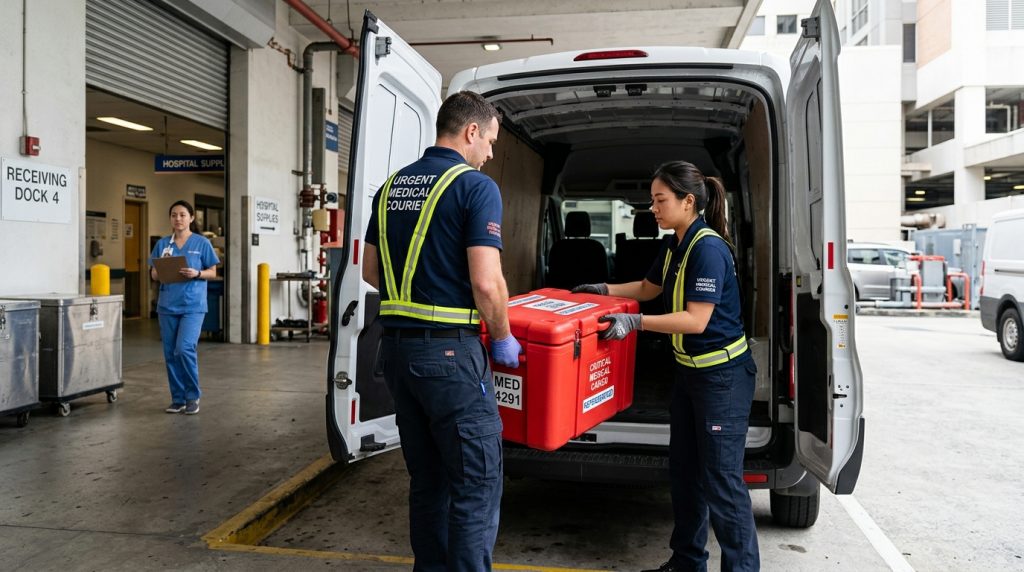
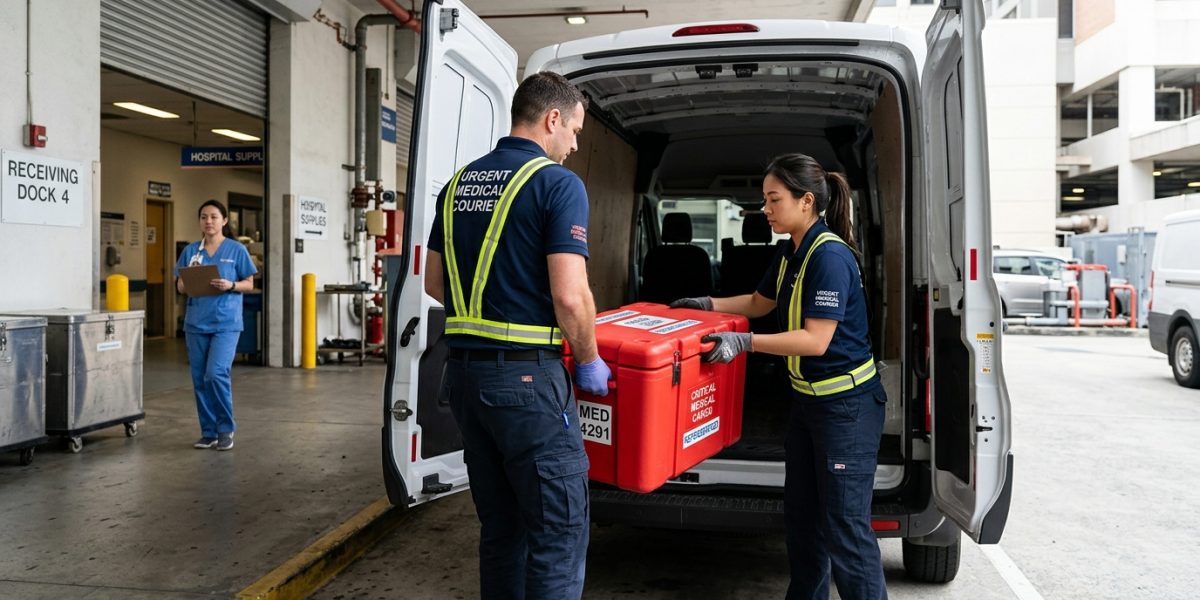
Predictive medical ‘hot-shotting’ is reshaping how life-saving supplies, organs, blood products, and specialist medications reach patients at the exact moment they are needed most. AI-driven dispatching systems have been shown to improve emergency medical reaction times by 46% compared to static models, and when those seconds genuinely count, having the right courier infrastructure in place is no longer optional.

Key Takeaways
- What is predictive medical ‘hot-shotting’? It is the use of predictive data and AI-driven logistics to pre-position or rapidly dispatch urgent medical supplies before a critical need becomes a crisis.
- Why does it matter? Traditional reactive supply chains are too slow for transplant organs, rare antivenoms, or emergency blood products. Predictive systems cut that delay significantly.
- What role does a same day courier play? A same day courier service is the ground-level execution layer, turning predictive data into physical, on-time delivery.
- Which supplies benefit most? Transplant organs, blood products, vaccines, rare medications, and critical diagnostic samples are the primary candidates.
- Can any business use this model? Hospitals, pharmaceutical distributors, and private medical providers can all integrate predictive hot-shotting into their logistics strategy.
- Is drone delivery part of this? Increasingly yes, drone-based delivery of blood products is approximately 79 to 98 minutes faster than traditional road transport in many scenarios.
- What is the efficiency gain for hospitals? Hospitals using predictive inventory tracking have reported a 30% reduction in waste and meaningful improvements in overall supply chain performance.
What Is Predictive Medical ‘Hot-Shotting’?
Predictive medical ‘hot-shotting’ combines two powerful ideas: anticipatory logistics and emergency-speed delivery. Rather than waiting for a shortage or critical event to trigger a request, predictive systems analyse patient data, stock levels, and demand patterns to dispatch supplies before the alarm is raised.
Think of it as getting ahead of the problem, not reacting to it. The ‘hot-shot’ element refers to dedicated, single-purpose vehicle runs designed specifically for urgent, time-critical consignments with no shared loads and no delays.
In a world where every second counts, the quest for the fastest, most reliable medical delivery often boils down to a range of factors, each as important as the next. Route intelligence, vehicle availability, and dispatch speed all play a mission-critical role.
Why Predictive Medical ‘Hot-Shotting’ Is Growing in Importance
Healthcare logistics has historically been reactive. A patient is listed for a transplant, a matching organ becomes available, and only then does the frantic effort to transport it begin.
Predictive medical ‘hot-shotting’ flips that model entirely. By using live data feeds, AI pattern recognition, and pre-positioned courier resources, the logistics chain is already in motion before the clinical team even places the call.
38% of chronic care patients report experiencing at least one significant delay or error in medical supply delivery over a six-month period. That figure underlines why the old reactive model simply is not good enough anymore.
How a Same Day Courier Is Central to Predictive Medical ‘Hot-Shotting’
No predictive algorithm delivers a parcel. The physical execution of any medical hot-shot run depends entirely on having a capable, responsive same day courier ready to move at a moment’s notice.
That means 24/7 365 availability, dedicated vehicles that are not shared with other consignments, and a team that treats your medical cargo as if it were their own. A simple call should provide an immediate update on the status of a shipment, regardless of whether it is in transit across the city or across the country.
We promise to give first class service, to be price competitive, and to treat your package as if it’s our own. In medical logistics, that promise is not just a courtesy. It is the difference between a successful outcome and a catastrophic one.
Did You Know?
AI-optimized routing reduces ambulance response times by up to 30% in high-traffic urban areas.
Source: Simbo AI
The Best Scenarios for Predictive Medical ‘Hot-Shotting’
Not every medical delivery needs a hot-shot run. But for certain categories of supply, predictive medical ‘hot-shotting’ is the only responsible logistics model to use.
Let’s take a look at where it makes the biggest difference:
- Organ transplants: Viability windows are measured in hours. Pre-positioned courier resources are essential.
- Blood and blood products: Matching, temperature control, and speed are all non-negotiable.
- Rare antivenoms and specialist medications: Often stored at a single national location. Getting them to a patient quickly requires a dedicated hot-shot vehicle.
- Diagnostic samples and biopsy materials: Time-sensitive once extracted, with degradation a genuine concern.
- Surgical equipment for emergency procedures: Whether it’s a forgotten instrument or a specialist implant, these deliveries cannot wait for a standard pallet run.
- Vaccines during outbreak response: When demand spikes unexpectedly, predictive logistics can stage supplies ahead of confirmed need.
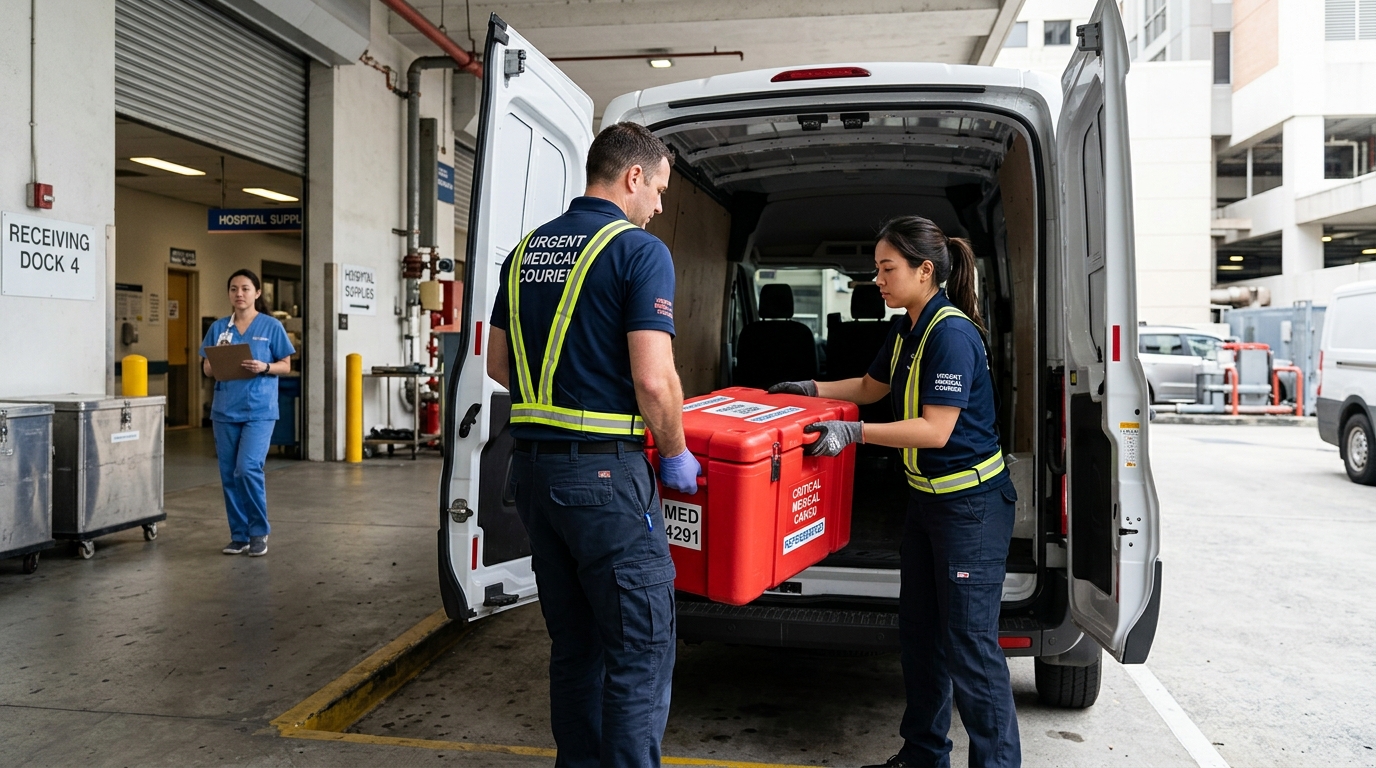
Whether it’s rare medication, critical equipment, or life-saving biological material, these specialised courier runs understand the time-sensitive nature of medical care and can navigate the complexities of hospital and clinic deliveries with ease.
The Technology Behind Predictive Medical ‘Hot-Shotting’
Predictive medical ‘hot-shotting’ is not simply about having fast vehicles. It’s about intelligent systems that feed real-time data into dispatch decisions, often before a human request is even logged.
Key technologies driving this model include:
- AI demand forecasting: Analyses patient admission rates, seasonal illness trends, and historical stock depletion to predict when a hot-shot run will be needed.
- Dynamic route optimisation: Ensures the fastest, safest road path is calculated in real time, factoring in traffic, road closures, and hospital access points.
- Pre-positioning algorithms: Moves courier vehicles and medical stock closer to likely demand locations before a request is formally made.
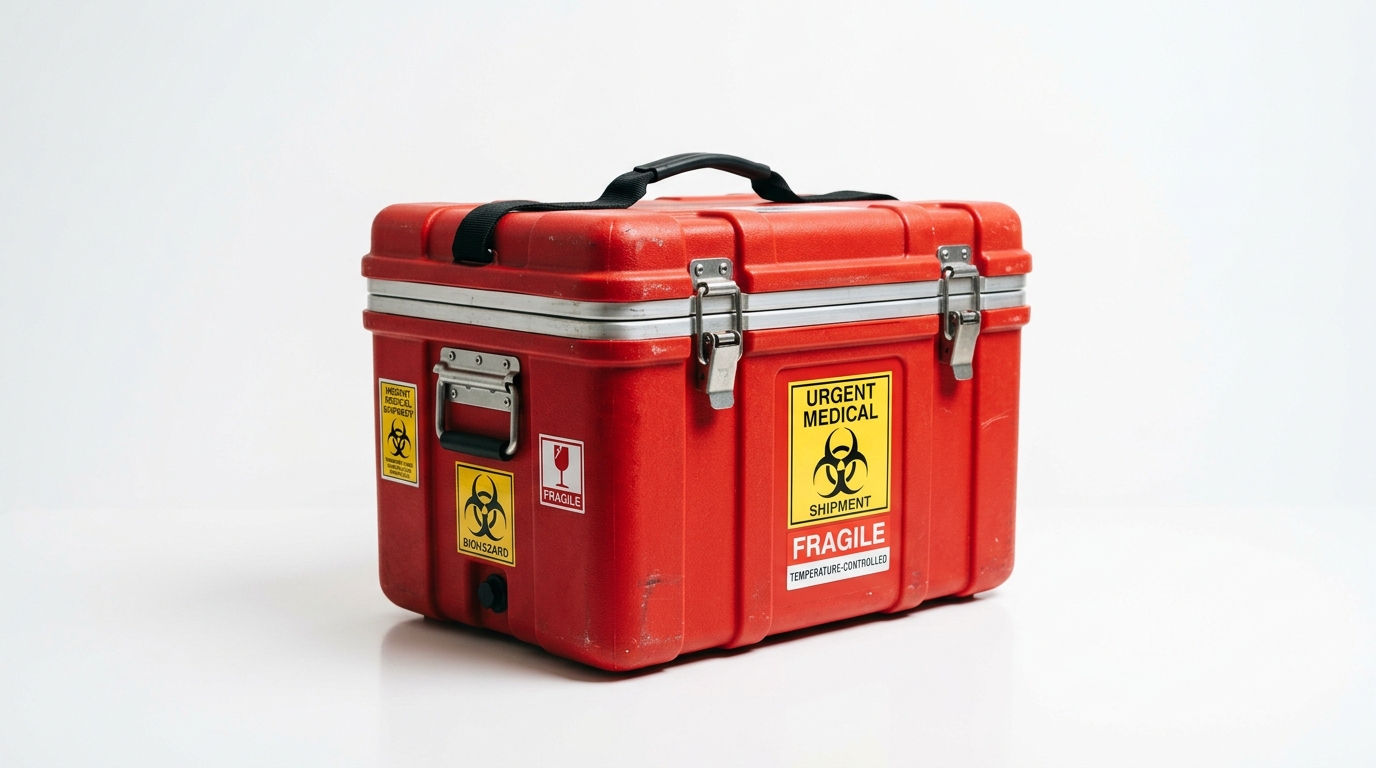
- IoT tracking and condition monitoring: Temperature, humidity, and chain-of-custody data are logged continuously throughout the journey.
- Automated dispatch triggers: When a predictive threshold is crossed, a hot-shot order can be automatically generated and routed to the nearest available dedicated vehicle.
It’s not just about having fast vehicles or cutting corners. The intelligence layer is what separates genuine predictive medical ‘hot-shotting’ from a standard urgent delivery.
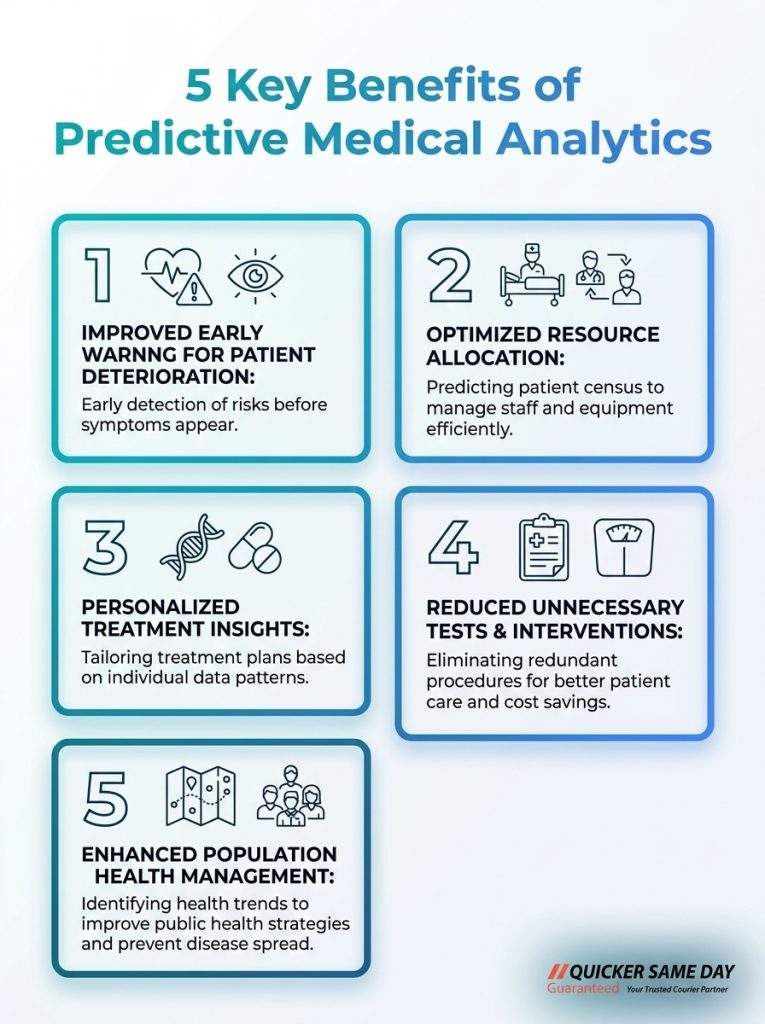
This infographic highlights the five key benefits of predictive medical analytics. It explains how ‘Hot-Shotting’ can improve patient outcomes and healthcare efficiency.
Drone Delivery and the Next Stage of Predictive Medical ‘Hot-Shotting’
Road-based hot-shot runs are the workhorse of medical courier logistics today, but aerial delivery is closing in fast. Drone-based delivery of blood products is approximately 79 to 98 minutes faster than traditional road transport, particularly in remote areas or where ground congestion is unavoidable.
For predictive medical ‘hot-shotting’, this matters enormously. Potential transit time reductions for urgent medical shipments can reach up to 90% when switching from road vehicles to unmanned aerial vehicles in certain scenarios.
While the regulatory framework for routine drone medical delivery is still developing across the UK, the underlying logistics model of predictive hot-shotting remains constant, whether the final vehicle is a van, a motorbike, or an autonomous drone.
Predictive Medical ‘Hot-Shotting’ and Hospital Supply Chain Efficiency
One of the quieter wins of predictive medical ‘hot-shotting’ is its impact on waste and overall supply chain performance. Hospitals using predictive inventory tracking have reported a 30% reduction in waste and a 20% boost in overall supply chain efficiency.
That efficiency gain is not a small thing. It frees up budget, reduces disposal costs for expired medication, and allows clinical teams to reallocate resources toward genuine emergency situations where a mission-critical hot-shot run is warranted.
When hospitals know with confidence that a same day courier can collect nationwide within 60 minutes and deliver to any location in the UK, they can hold leaner stocks and trust the logistics network to close the gap when required.
Did You Know?
Hospitals using predictive inventory tracking reported a 30% reduction in waste and a 20% boost in overall supply chain efficiency.
Source: CliniLaunch Logistics
Choosing the Best Same Day Courier Partner for Predictive Medical ‘Hot-Shotting’
Not every courier is equipped to operate within a predictive medical ‘hot-shotting’ model. The demands are specific, and the margin for error is essentially zero.
Here is what to look for when selecting a courier partner for medical hot-shot logistics:
- 24/7 365 availability: Medical emergencies do not respect business hours. Your courier partner needs to be reachable and deployable at any time.
- Dedicated vehicles: Shared loads introduce delays and contamination risks. Hot-shot medical runs require a dedicated vehicle assigned solely to that consignment.
- 60-minute collection guarantee: In a genuine emergency, a courier that collects within 60 minutes nationwide is not a nice-to-have. It is a clinical requirement.
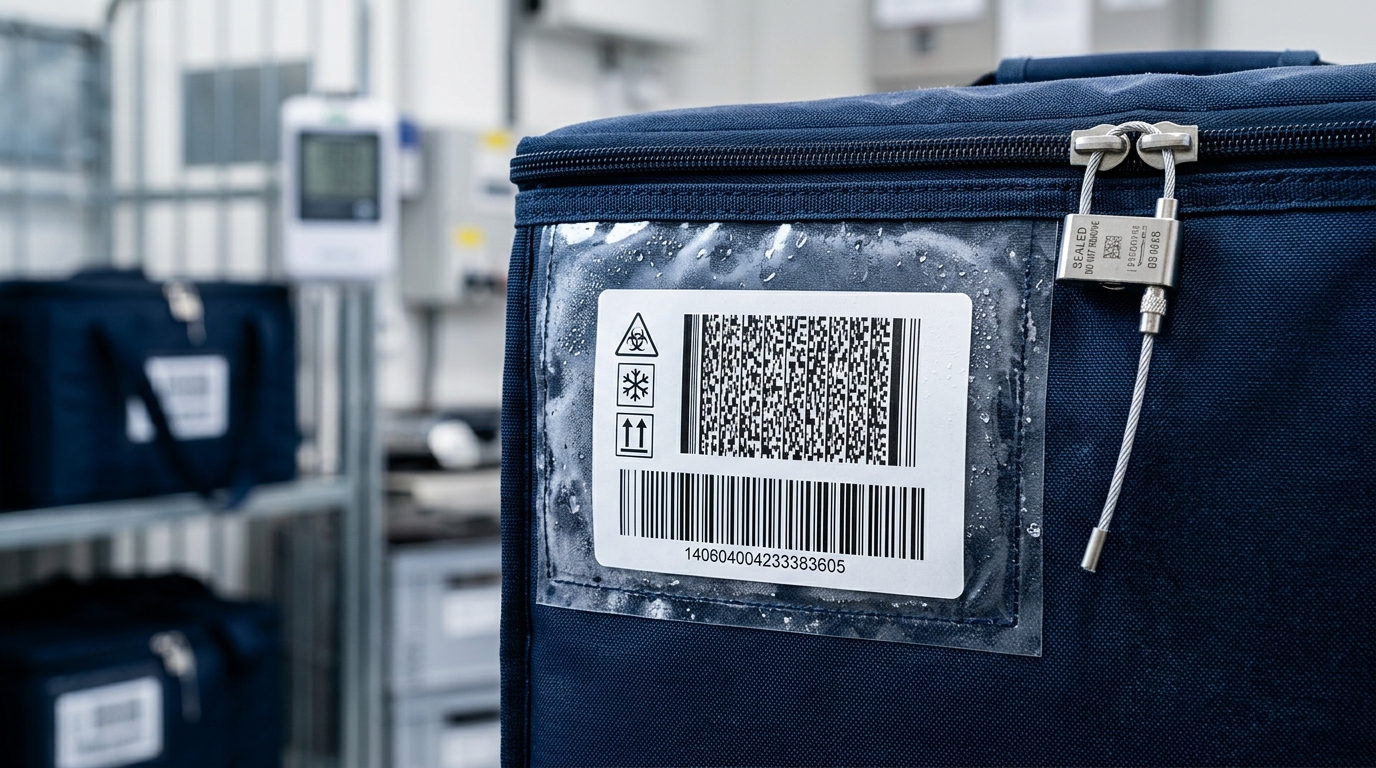
- Temperature and condition compliance: Blood products, organs, and specialist medications often have strict temperature requirements throughout transit.
- Nationwide reach: Medical hot-shot needs do not stop at county borders. Nationwide collection and delivery capability is essential.
- Real-time tracking: A simple call or digital update should provide the clinical team with an instant status on the shipment at any point in the journey.
- Transparent pricing: Price competitiveness matters, particularly for healthcare providers managing tight budgets alongside mission-critical logistics needs.
We want to be your trusted courier partner regardless of whether you are an individual clinician, a private hospital group, or a large NHS procurement operation.
How Predictive Medical ‘Hot-Shotting’ Compares to Traditional Medical Logistics
| Factor | Traditional Medical Logistics | Predictive Medical ‘Hot-Shotting’ |
|---|---|---|
| Trigger | Reactive (crisis first) | Predictive (data-driven pre-dispatch) |
| Speed | Delayed by request and booking | Vehicle often already in motion |
| Vehicle type | Shared loads, scheduled runs | Dedicated hot-shot vehicle |
| Waste | Higher (over-stocking to compensate) | Lower (leaner stock, on-demand supply) |
| Cost efficiency | Lower headline cost, higher failure cost | Higher per-run cost, lower system-wide cost |
| Availability | Business hours focused | 24/7 365 |
| Patient outcome impact | Reactive and variable | Proactive and consistently better |
Integrating Predictive Medical ‘Hot-Shotting’ into Your Organisation
Getting started with predictive medical ‘hot-shotting’ does not require a total logistics overhaul from day one. Let’s explore a practical pathway that works for most healthcare providers.
- Audit your current supply chain failures: Identify which categories of supply have caused the most delays or near-misses. These are your first hot-shot candidates.
- Partner with a courier who operates 24/7 365: Your logistics partner needs to match the always-on nature of medical care, with dedicated vehicles available at any hour.
- Implement inventory tracking software: Even basic predictive analytics tools can flag when stock levels are moving toward a critical threshold before the emergency occurs.
- Define your trigger points: Set clear thresholds at which a hot-shot dispatch is automatically authorised, removing human delay from the critical decision loop.
- Train your procurement and clinical teams: Seamless integration requires that both clinical and logistics staff understand the hot-shot model and how to activate it.
- Review and refine: Monitor every hot-shot run, review lead times, and continuously improve your predictive triggers based on real-world outcomes.
To create long lasting impressions of reliability and success, this process requires hard work and exceptional service from every partner involved. That includes your courier.
Predictive Medical ‘Hot-Shotting’ in Emergency and Freight Scenarios
For larger medical facilities managing complex supply chains, predictive hot-shotting sometimes involves freight-scale consignments, not just small parcels. That might mean palletised medication, specialist surgical equipment, or bulk blood product deliveries.
In those scenarios, having access to a freight delivery capability within the same courier network makes the entire operation seamless. One partner, one point of contact, and the same first class commitment regardless of load size.
The fact that healthcare organisations can now order essential equipment or send critical supplies to partner hospitals or treatment centres in mere hours has completely changed how medical logistics can operate. WE WON’T LET YOU DOWN.

Peace of Mind
Predictive medical ‘hot-shotting’ represents the most significant shift in healthcare logistics in a generation. By combining AI-driven demand forecasting with dedicated, fast-response courier capabilities, it moves medical supply chains from reactive crisis management to proactive, seamless delivery.
The evidence is clear. Faster response times, reduced waste, and better patient outcomes are all achievable when the right logistics model is in place. A capable same day courier partner, operating 24/7 365 with dedicated vehicles and a 60-minute nationwide collection capability, is the foundation everything else is built on.
Peace of mind in medical logistics is not an accident. It is the result of getting every link in the chain right, from the predictive algorithm to the driver who arrives at the door. If you are ready to explore how predictive medical ‘hot-shotting’ can work for your organisation, get in touch today for an obligation-free discussion.
Frequently Asked Questions
What exactly is predictive medical ‘hot-shotting’ and how does it work?
Predictive medical ‘hot-shotting’ uses AI and data analytics to anticipate when urgent medical supplies will be needed and pre-positions or pre-dispatches a dedicated courier before a formal request is made. It differs from standard urgent delivery because the logistics chain starts moving before the crisis point is reached, dramatically reducing response times.
How is predictive medical ‘hot-shotting’ different from a regular same day courier?
A standard same day courier responds to a booking request after a need is identified. Predictive medical ‘hot-shotting’ goes a step further by using demand forecasting to trigger dispatch activity proactively, often before a clinical team has even placed the call. The courier infrastructure is the same, but the intelligence driving it operates ahead of the event rather than reacting to it.
Is predictive medical ‘hot-shotting’ only for large hospitals?
No. While large NHS trusts and hospital groups benefit most at scale, private clinics, pharmaceutical distributors, blood banks, and even veterinary facilities handling critical biologicals can all benefit from a predictive medical ‘hot-shotting’ model. The core principles, pre-positioning, dedicated dispatch, and mission-critical speed, apply regardless of organisation size.
What types of medical supplies are best suited to predictive ‘hot-shotting’?
Transplant organs, blood products, rare antivenoms, diagnostic samples, specialist surgical implants, and outbreak-response vaccines are among the most common candidates for predictive medical ‘hot-shotting’. Essentially any supply where a delivery delay could directly harm a patient is a strong candidate for this logistics model.
How quickly can a same day courier collect for a medical hot-shot run?
A well-equipped same day courier operating within a predictive medical ‘hot-shotting’ framework should be able to collect nationwide within 60 minutes of a confirmed dispatch trigger. That speed depends entirely on 24/7 365 availability and pre-positioned dedicated vehicles, not a reactive booking queue.
Can drones replace road-based medical hot-shot couriers?
In specific scenarios, particularly remote areas or heavily congested urban environments, drones offer a compelling advantage for predictive medical ‘hot-shotting’, with transit time reductions of up to 90% for certain routes. However, road-based dedicated couriers remain the primary execution layer for the vast majority of medical hot-shot runs, especially for temperature-sensitive or larger consignments.
How do I start integrating predictive medical ‘hot-shotting’ into my supply chain?
The practical starting point for predictive medical ‘hot-shotting’ is identifying your highest-risk supply categories and partnering with a same day courier who operates around the clock with dedicated vehicles. From there, basic inventory tracking software can provide the data triggers needed to move your logistics model from reactive to genuinely predictive, delivering better patient outcomes and reducing overall supply chain waste.
Need help with Same-Day Delivery?
Choose Quicker Same Day to help you
No account necessary. Collection within 60 minutes. Transparent pricing with no hidden charges.