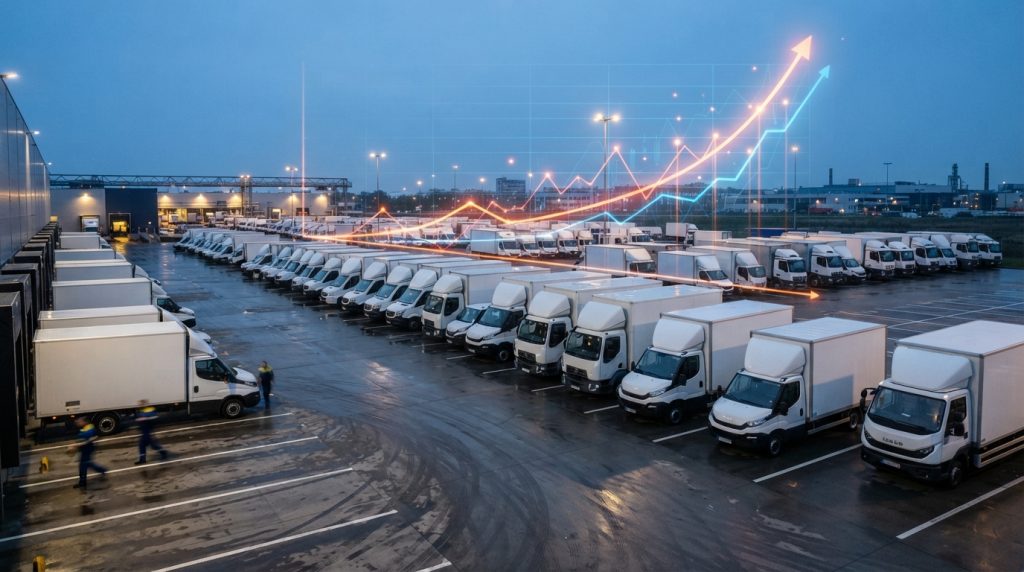
Did you know that the rollout of Smart Tachograph Version 2 could push express transport costs up by as much as 20 to 25 percent per kilometre? The impact of Smart Tachograph Version 2 on courier delivery costs is already being felt across the logistics sector, and it’s reshaping how we plan every same day courier booking for our clients.
We’ve built our business on transparency, and that means being upfront about what’s changing and why your invoice might look different from last year’s.

Key Takeaways
| What You Need to Know | Why It Matters |
|---|---|
| Compliance costs are rising | Fines and hardware upgrades feed directly into transport pricing. |
| Express transport costs may rise 20-25% | Reduced vehicle productivity means fewer jobs per day for some operators. |
| Technology helps offset the burden | See our piece on the impact of technology on the same-day courier industry. |
| Fuel remains a major variable | Read more in our fuel price cost breakdown. |
| Not all vehicles are affected equally | Exemptions exist for light vehicles under certain speed and radius thresholds. |
| Real-time tracking softens the blow | See why real-time tracking matters for same-day deliveries. |
| Choosing the right courier partner matters more than ever | A trusted, transparent provider absorbs complexity so you don’t have to. |
Understanding Smart Tachograph Version 2 and Its Impact on Courier Delivery Costs
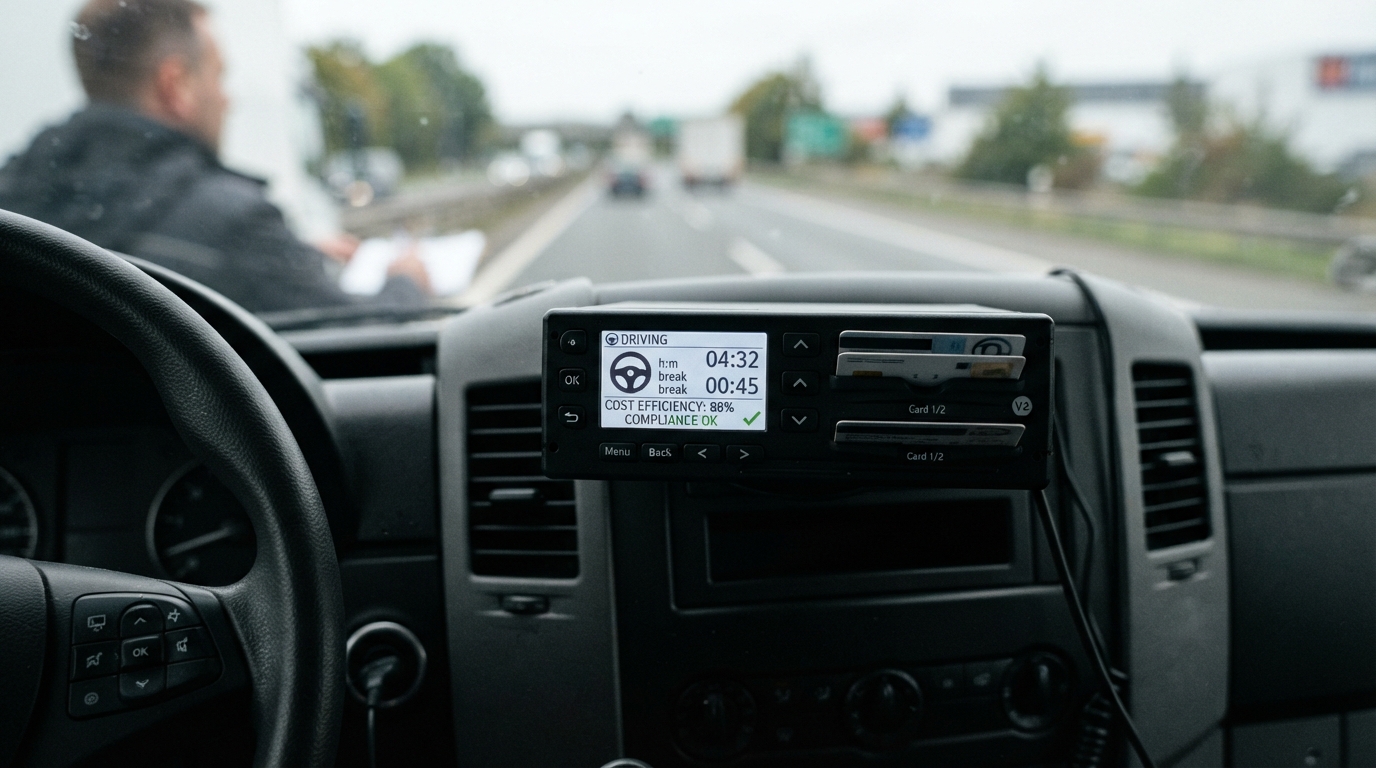
Smart Tachograph Version 2 is the latest regulatory update requiring recording devices in commercial vehicles to track driver hours, location data, and border crossings with far greater precision.
For couriers, this isn’t just a box-ticking exercise. It’s a fundamental shift in how fleets operate, and the impact of Smart Tachograph Version 2 on courier delivery costs runs through every part of our pricing structure, from fuel to fleet maintenance to driver scheduling.
Older tachographs simply recorded hours. This new generation records vehicle movement across borders, archives data for extended periods, and demands stricter driver card compliance.
How Smart Tachograph Version 2 Is Reshaping Same Day Courier Pricing
When a same day courier service quotes you a price, that figure reflects far more than fuel and mileage now.
It reflects compliance overhead too. Fleet operators must budget for equipment retrofits, driver training, and the administrative burden of storing vast amounts of tracking data.
We’ve always promised to be price competitive, and we intend to keep that promise. But we won’t pretend the regulatory landscape hasn’t added new layers of cost that ripple through the whole industry.
- Vehicle downtime during hardware installation
- Higher insurance premiums linked to stricter compliance
- Administrative staff time spent managing data archives
- Driver training on new recording procedures
The Direct Impact of Smart Tachograph Version 2 on Courier Delivery Costs
Let’s get specific. Industry estimates suggest express transport costs per kilometre could rise by 20 to 25 percent as the new regulation limits vehicle productivity and increases fixed-cost distribution across fleets.
That’s a significant figure for any business relying on time-critical logistics. When vehicles cover fewer productive kilometres per shift because of stricter monitoring and rest requirements, the cost per delivery inevitably climbs.
This is precisely why we’ve invested heavily in route efficiency. Read our thoughts on how AI is optimising same-day delivery routes to understand how smarter planning helps counter rising per-kilometre costs.
Compliance Costs, Fines and Fleet Upgrades Driving the Impact of Smart Tachograph Version 2 on Courier Delivery Costs
Non-compliance isn’t cheap. Drivers found without a valid driver card during an inspection face fines, and companies that fail to properly archive driver card data face even steeper penalties.
Fleet managers must now securely store tachograph records for a minimum of 12 months, and driver cards must retain 56 days of activity history for roadside checks.
Did You Know?
Companies that fail to properly archive driver card data face a minimum fine of €500, making full compliance a mandatory cost of doing business.
Source: TSI Telematic
These aren’t optional overheads. Any responsible logistics provider will factor them straight into their operational budget, and that budget ultimately shapes what customers pay.
Real-Time Tracking and AI Route Optimisation: Offsetting Rising Costs
The good news is that technology cuts both ways. While Smart Tachograph Version 2 adds compliance burden, other technological advances help offset it.
Real-time tracking lets us see exactly where a vehicle is at every stage of a delivery, reducing wasted mileage and resolving issues faster. We cover this in detail in our guide to real-time tracking for same-day deliveries.
AI-powered route optimisation is another tool in our arsenal. Smart systems process thousands of variables, from traffic to weather, to keep vehicles moving efficiently even as compliance rules tighten what’s achievable in a working shift.
Transparency is key when it comes to letting a customer know about your services, and how you can help them.
Fuel Prices and the Wider Cost Picture for Couriers
Smart Tachograph Version 2 doesn’t operate in isolation. Fuel prices remain one of the biggest variables in delivery costs, and rising fuel costs compound the pressure created by new compliance rules.
We explore this connection fully in our breakdown of how fuel prices affect delivery costs. When you combine higher fuel expenses with stricter tachograph compliance, the case for efficient logistics planning becomes even stronger.
With 1.5 to 3 million vehicles across the EMEA region estimated to need equipment updates, workshop bottlenecks and hardware shortages could add further strain to an already tight market.
Did You Know?
Between 1.5 and 3 million vehicles across EMEA are expected to need equipment updates, creating potential workshop bottlenecks and hardware shortages.
Source: Geotab
Eco-Friendly Strategies That Help Manage the Impact of Smart Tachograph Version 2 on Courier Delivery Costs
Sustainable logistics and regulatory compliance aren’t opposing forces. In fact, many of the same strategies that reduce carbon footprint also reduce operational strain.
Route optimisation software, electric vehicle adoption, and collaborative delivery networks all help fleets do more with fewer productive hours. We cover these strategies in depth in our guide to eco-friendly same-day delivery solutions.
- Electric and hybrid vehicles reduce fuel exposure
- Optimised routes reduce wasted kilometres under tighter driving windows
- Sustainable packaging reduces load weight and handling time
- Collaborative networks share compliance overhead across multiple operators

Choosing the Right Same Day Courier After Smart Tachograph Version 2
Not every courier absorbs regulatory change the same way. Some pass every added cost straight onto the customer without explanation. We don’t operate that way.
When you’re comparing options, it helps to understand the trade-offs between speed and cost. Our comparison of same-day delivery versus next-day delivery breaks down exactly when paying for speed makes sense.
We also believe in explaining the “why” behind our pricing. That’s part of how same-day courier services have grown to benefit businesses and consumers alike, and it’s part of why we want to be your trusted courier partner regardless of whether you are an individual or a large corporate entity.
Looking ahead, we expect further regulatory refinement. For a broader view, read our thoughts on what the future of same-day deliveries looks like.
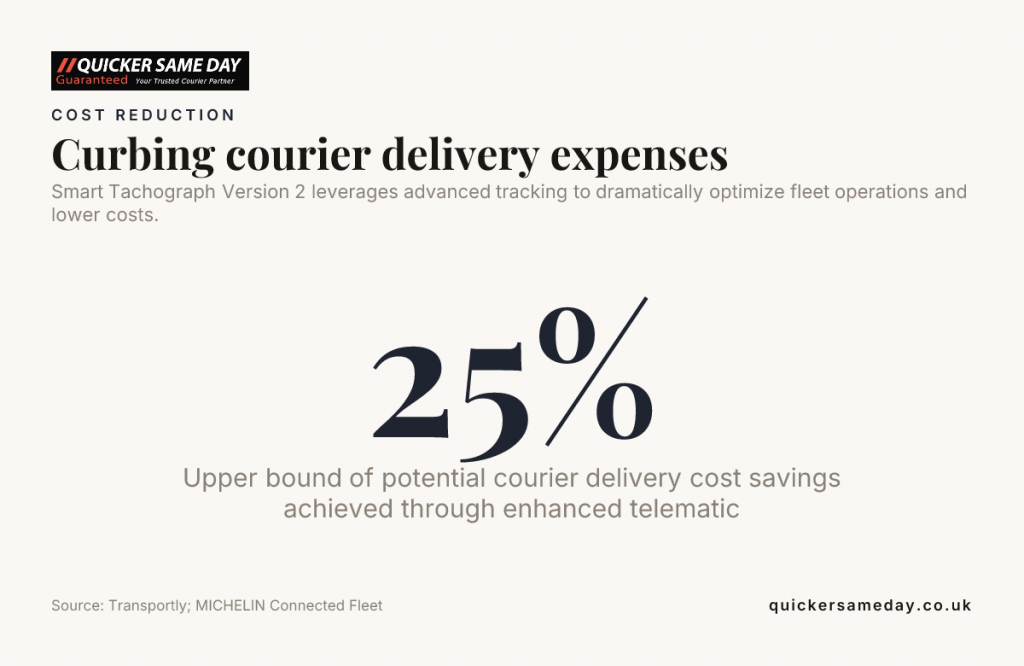
Smart Tachograph Version 2 leverages advanced tracking to dramatically optimise fleet operations and lower costs.
Transparency
The impact of Smart Tachograph Version 2 on courier delivery costs is real, measurable, and here to stay. Compliance overhead, reduced vehicle productivity, and hardware upgrades all feed into the price of getting a parcel from A to B.
What matters most is how a courier partner responds. We respond with transparency, efficient routing, and a genuine commitment to keeping our same day courier pricing fair even as the regulatory landscape shifts around us. WE WON’T LET YOU DOWN.
Frequently Asked Questions
What is Smart Tachograph Version 2 and how does it affect courier prices?
Smart Tachograph Version 2 is a recording device regulation requiring more detailed tracking of driver hours, location, and border crossings. The impact of Smart Tachograph Version 2 on courier delivery costs shows up mainly through compliance overhead, fleet upgrades, and reduced vehicle productivity per shift.
Will same day courier services get more expensive because of Smart Tachograph Version 2?
Some price increases are likely as fleets absorb compliance costs, with industry estimates suggesting express transport costs could rise by 20 to 25 percent per kilometre. A well-run same day courier provider works to offset this through route optimisation and efficient scheduling.
Are all delivery vehicles affected by the impact of Smart Tachograph Version 2 on courier delivery costs?
No, exemptions exist for smaller vehicles operating under certain speed thresholds and for passenger vehicles under a set seat limit. Light goods vehicles carrying certain materials within a limited operating radius may also qualify for exemption.
How can businesses reduce the impact of rising courier compliance costs?
Choosing a courier partner that invests in real-time tracking, AI route optimisation, and eco-friendly fleet strategies helps minimise added costs. Comparing same day courier and next-day options for less time-sensitive shipments can also reduce overall spend.
What fines apply for non-compliance with Smart Tachograph Version 2?
Drivers found without a valid driver card during an inspection can face fines, while companies that fail to properly archive driver card data face a minimum fine of €500. These penalties are a key reason compliance costs feed directly into courier delivery pricing.
Is same day courier delivery still worth the cost given new tachograph rules?
Yes, for time-critical shipments, same day courier delivery remains the most reliable option despite rising compliance costs. The added expense is often outweighed by the value of guaranteed speed, especially for urgent business or medical deliveries.
How long must courier companies store tachograph data under the new rules?
Fleet managers must securely store tachograph records for a minimum of 12 months, while driver cards must retain 56 days of activity history for roadside checks. This administrative burden is part of the wider impact of Smart Tachograph Version 2 on courier delivery costs.
Need help with Same-Day Delivery?
Choose Quicker Same Day to help you
No account necessary. Collection within 60 minutes. Transparent pricing with no hidden charges.